









Pneumatic Flush Control Technology in Marine Vacuum Toilet Systems
Marine vacuum toilet systems are widely used on commercial vessels, cruise ships and offshore platforms due to their low water consumption and reliable waste transportation capability.
One of the core elements enabling stable operation in these systems is the pneumatic flush control mechanism, which manages the flushing sequence without relying on electrical components.
Pneumatic control technology is particularly suitable for marine environments, where humidity, vibration and power stability can pose challenges to electrically actuated systems.
Role of Pneumatic Control Units in Vacuum Toilet Operation
In a typical vacuum toilet installation, the flushing process is initiated by a user-operated pneumatic push button.
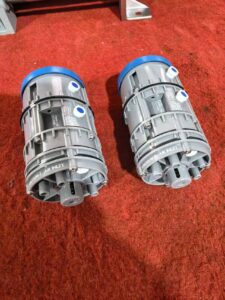
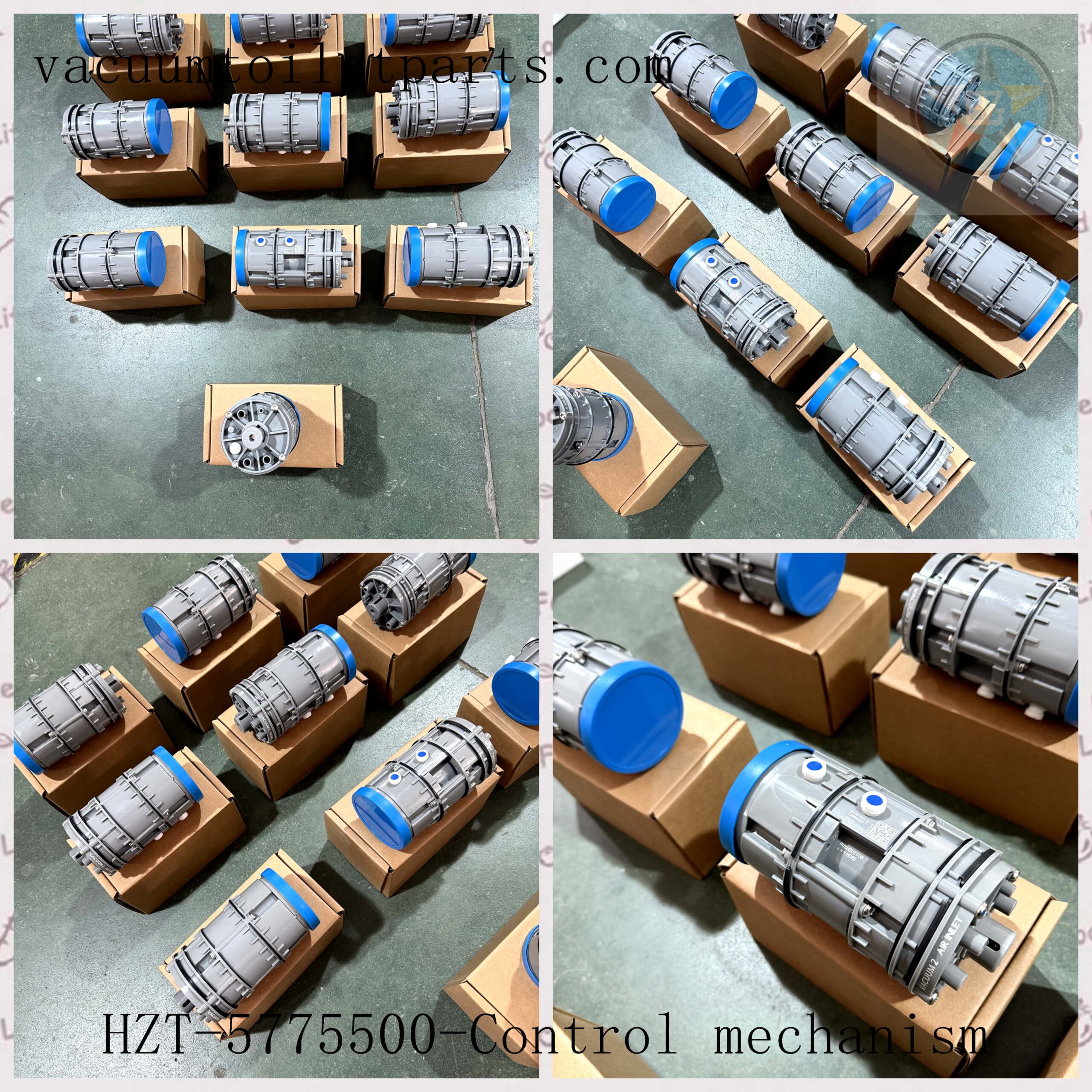
The air impulse generated is transmitted through hose assemblies to a pneumatic control unit, which coordinates airflow timing and pressure distribution throughout the flush cycle.
Key components commonly involved in this process include:
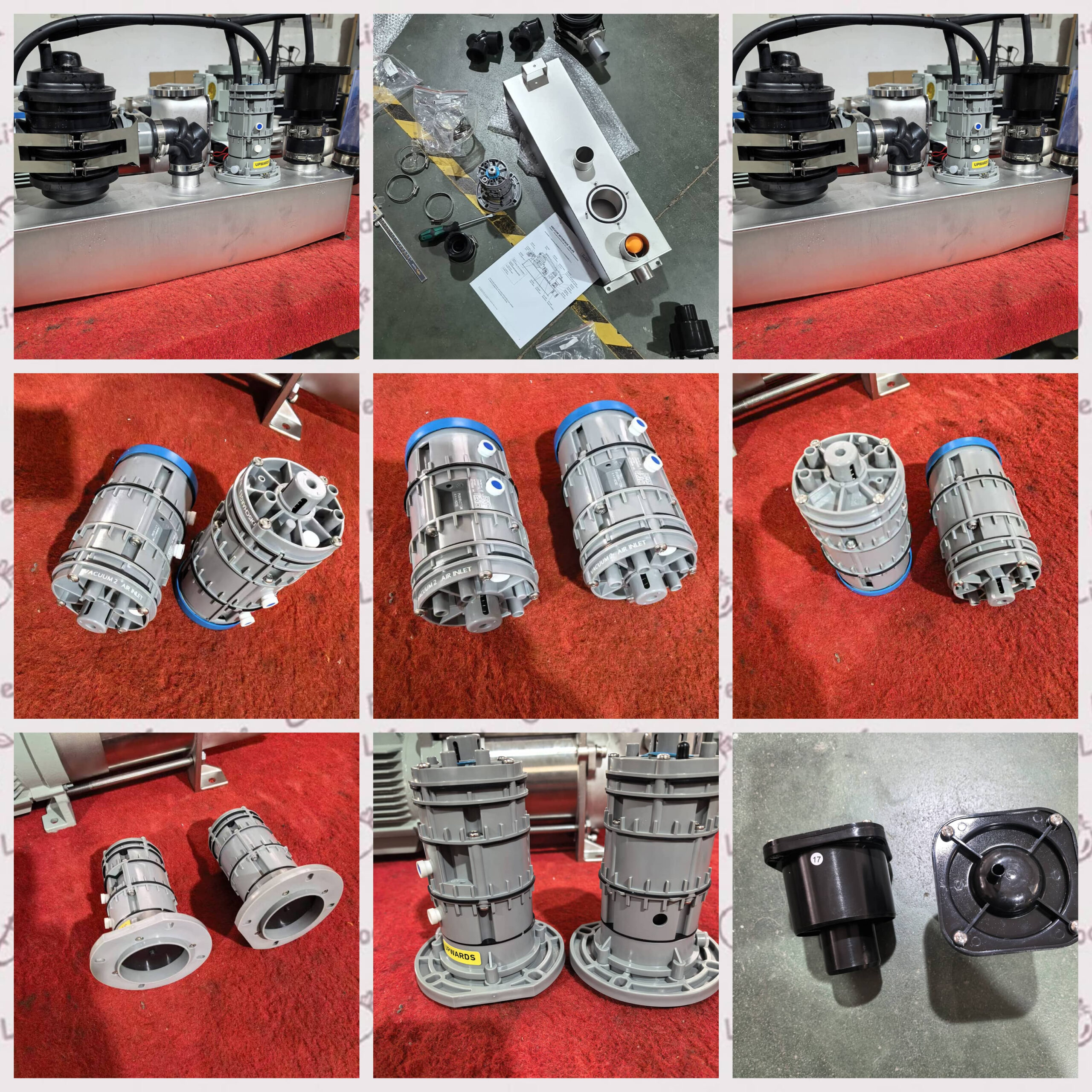
- Pneumatic control units (e.g. HZT-5775500)
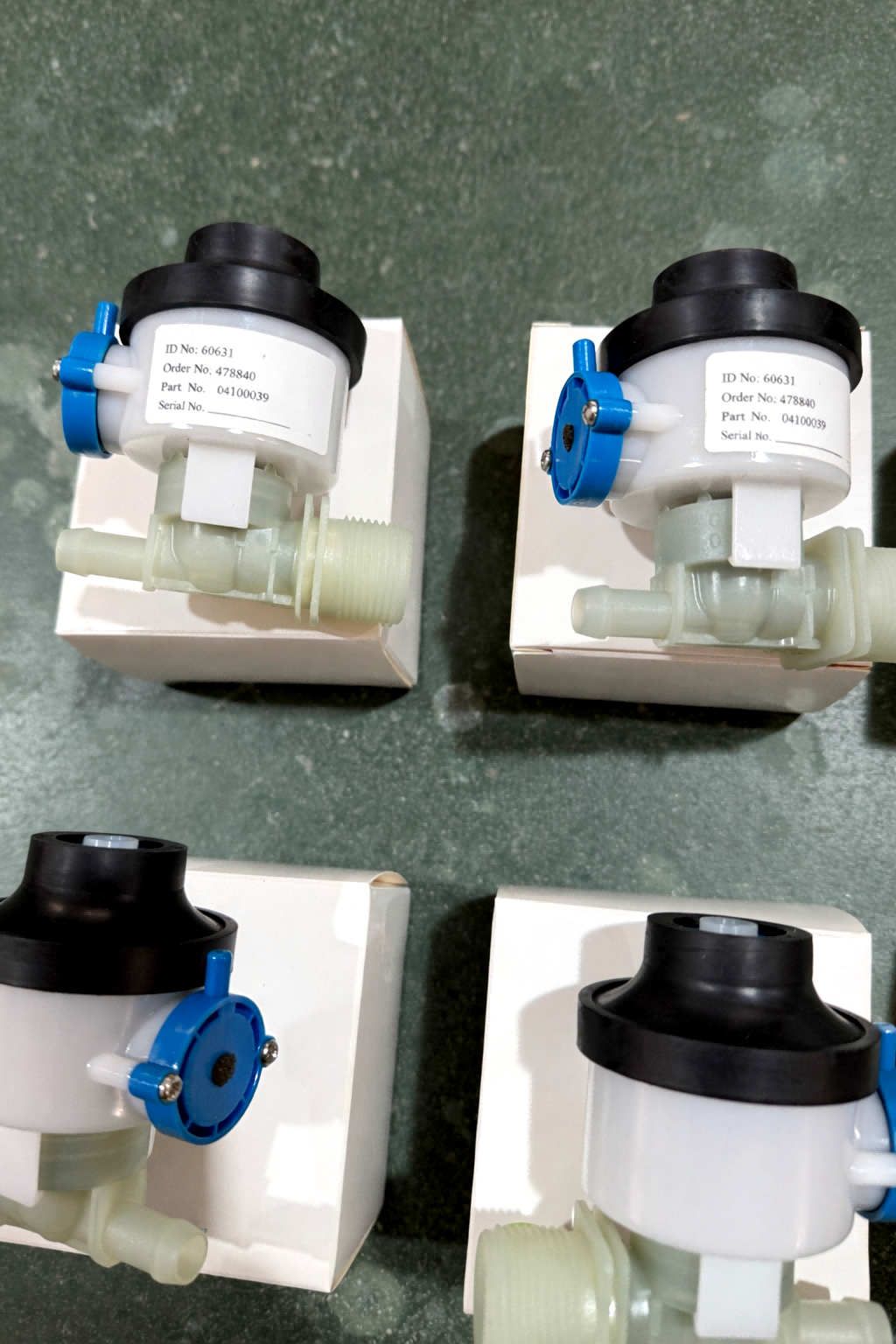
- Water admission valves (e.g. HZT-5774002)
- Miniature check valves (e.g. HZT-5959902)
- Pneumatic hose and connector assemblies
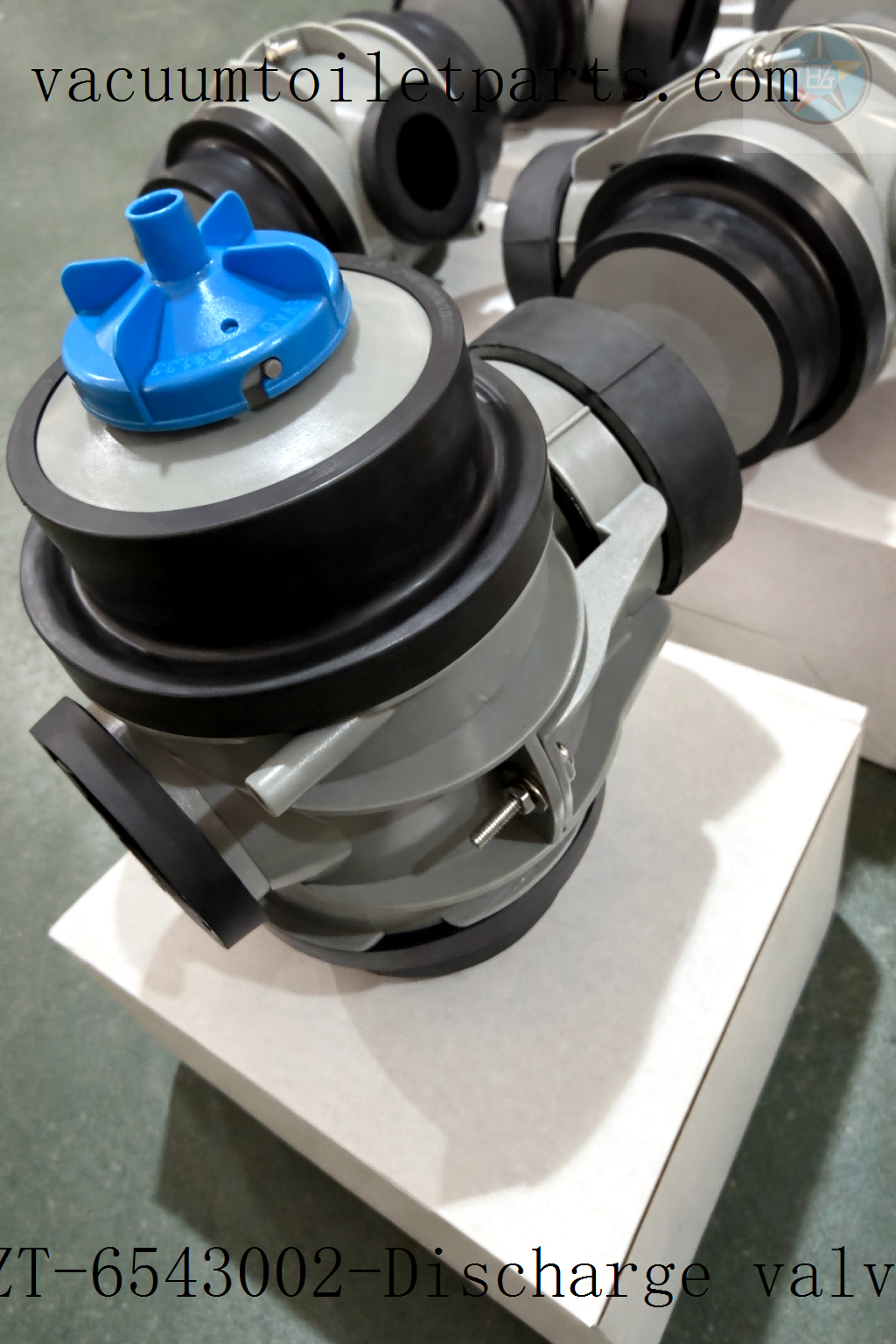
These components operate together to ensure controlled water delivery, stable vacuum conditions and consistent flushing performance.
Integration in Flush Control Assemblies and System Design
Modern marine vacuum toilet systems often utilize integrated flush control assemblies to simplify installation and maintenance.
Within these assemblies, the pneumatic control unit serves as the central logic element, directing airflow between the push button, water valve and auxiliary pneumatic components.
In practical applications, pneumatic control units such as 5775500-type control mechanisms are commonly used in combination with dedicated water valves and mini check valves to prevent backflow and pressure loss.
This integrated approach enhances system reliability and reduces downtime during vessel operation.
Maintenance Considerations for Pneumatic Flush Control Components
Over extended service periods, pneumatic components may experience wear due to repetitive actuation, pressure fluctuations or aging of internal sealing elements.
Common symptoms indicating maintenance requirements include delayed flushing response, inconsistent water flow or incomplete flushing cycles.
Routine inspection and timely replacement of key pneumatic components—such as control units, water valves and check valves—can effectively restore system performance without modifying existing pipework or mounting structures.
Industry Applications and System Adaptability
Pneumatic flush control technology is widely applied across various marine sectors, including:
- Commercial cargo vessels
- Passenger ferries and cruise ships
- Offshore platforms and support vessels
- Ship retrofitting and system upgrades
The modular nature of pneumatic components allows system designers and service providers to adapt flush control assemblies to different vessel layouts and operational requirements.
Conclusion
Pneumatic flush control systems play a critical role in the reliable operation of marine vacuum toilet installations.
Through proper component selection, integration and maintenance, pneumatic control units and associated valves can deliver stable, electricity-free flushing performance in demanding marine environments.
As marine sanitation standards continue to evolve, pneumatic flush control technology remains a proven and adaptable solution for modern vacuum toilet systems.